

EdTech Adoption: Must-Have AI Grading Tools for Effortless Schools
EdTech adoption is revolutionizing the educational landscape, offering innovative solutions to long-standing challenges in classrooms. One of the most transformative advancements within this sphere is the implementation of AI grading tools. These technologies not only enhance efficiency but also free up educators to focus on what matters most—teaching and engaging with students. In this article, we’ll explore the benefits of AI grading tools like GradeLab, the significance of teacher training in facilitating successful integration, and the future of EdTech in fostering streamlined educational experiences.
The Rise of AI Grading Tools
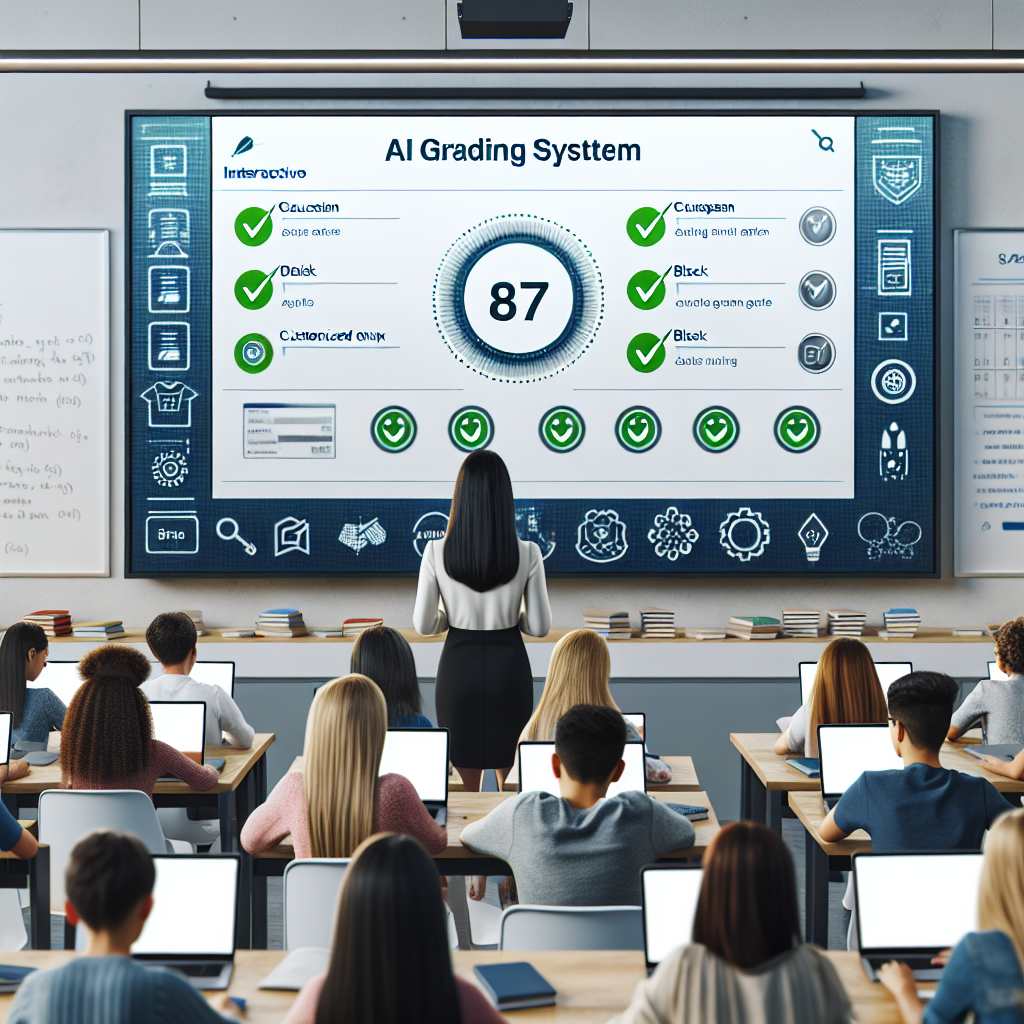
AI grading tools are designed to streamline the assessment process, allowing educators to provide timely feedback and grading without the manual burden. Tools like GradeLab leverage machine learning algorithms to analyze student submissions, providing insights that can guide both educators and learners. This not only saves time but also improves the quality and consistency of assessments.
Benefits of AI Grading Tools
1. Time Efficiency: One of the most immediate benefits of using AI grading tools is the significant reduction in time spent grading assignments. Instead of pouring hours into evaluating essays or tests, educators can now rely on technologies that analyze responses quickly and accurately.
2. Immediate Feedback: Immediate feedback can significantly enhance the learning experience. With AI grading systems, students receive timely insights about their performance, allowing them to adjust their strategies and focus on areas that need improvement.
3. Consistency and Objectivity: Human grading can sometimes be subjective, influenced by personal biases or fatigue. AI tools, however, provide objective evaluations based on defined criteria, ensuring fairness and consistency in grading practices.
4. Data-Driven Insights: Many AI grading tools offer analytical features that allow teachers to track student performance over time. These insights can inform instructional strategies, helping educators identify trends and adjust their teaching methodologies accordingly.
Implementing GradeLab in Schools
To harness the full potential of AI grading tools, schools must consider several factors during the implementation of GradeLab. Here’s a step-by-step guide:
1. Assessing Needs
Before adopting GradeLab or any other AI grading tool, schools should conduct a needs assessment. Understanding the specific challenges educators face, whether it’s grading consistency or feedback delays, will help tailor the solution.
2. Training Teachers
Teacher training is a critical component of effective EdTech adoption. Educators must be equipped not only with the technical skills to operate these tools but also with an understanding of how to integrate them into their teaching practices. Here are some strategies for effective teacher training:
– Hands-On Workshops: Organizing workshops where teachers can practice using GradeLab can demystify technology and increase confidence levels.
– Peer Support Programs: Encouraging experienced users to support their colleagues can foster a collaborative learning environment.
– Continuous Learning: Offering ongoing training sessions helps keep educators updated on the latest features and best practices.
3. Gradual Rollout
Instead of a full-scale launch, schools might consider a phased implementation of GradeLab. Starting with a pilot program allows for adjustments based on initial feedback, ensuring a smoother adoption process.
4. Gathering Feedback
Once GradeLab is in use, continuous feedback from teachers and students is imperative. This information can provide insights into both the effectiveness of the tool and any necessary adjustments for optimal use.
The Future of EdTech Adoption
As EdTech continues to evolve, AI grading tools like GradeLab are set to become integral components of the educational framework. The focus on personalized learning will drive the demand for technologies that cater to individual student needs, paving the way for innovations that blend educational principles with technological advancements.
The Role of Educators in Tech Integration
While AI tools can greatly enhance educational practices, the human element remains irreplaceable. Educators play a crucial role in interpreting data, fostering relationships, and providing the emotional support that students need. Therefore, the relationship between teacher and technology should be viewed as a partnership, where each complements the other for the betterment of the learning experience.
Conclusion
EdTech adoption, particularly through the integration of AI grading tools like GradeLab, stands to greatly benefit educational environments. By investing in teacher training, schools can ensure a smoother transition, ultimately leading to more efficient grading practices and enhanced student outcomes. As the landscape of education continues to evolve, schools embodying these technological advancements will be better positioned to meet the diverse needs of their students, creating a more engaging and effective learning environment. Embracing this change is not just about upgrading tools—it’s about redefining the future of education.